
Key Takeaways
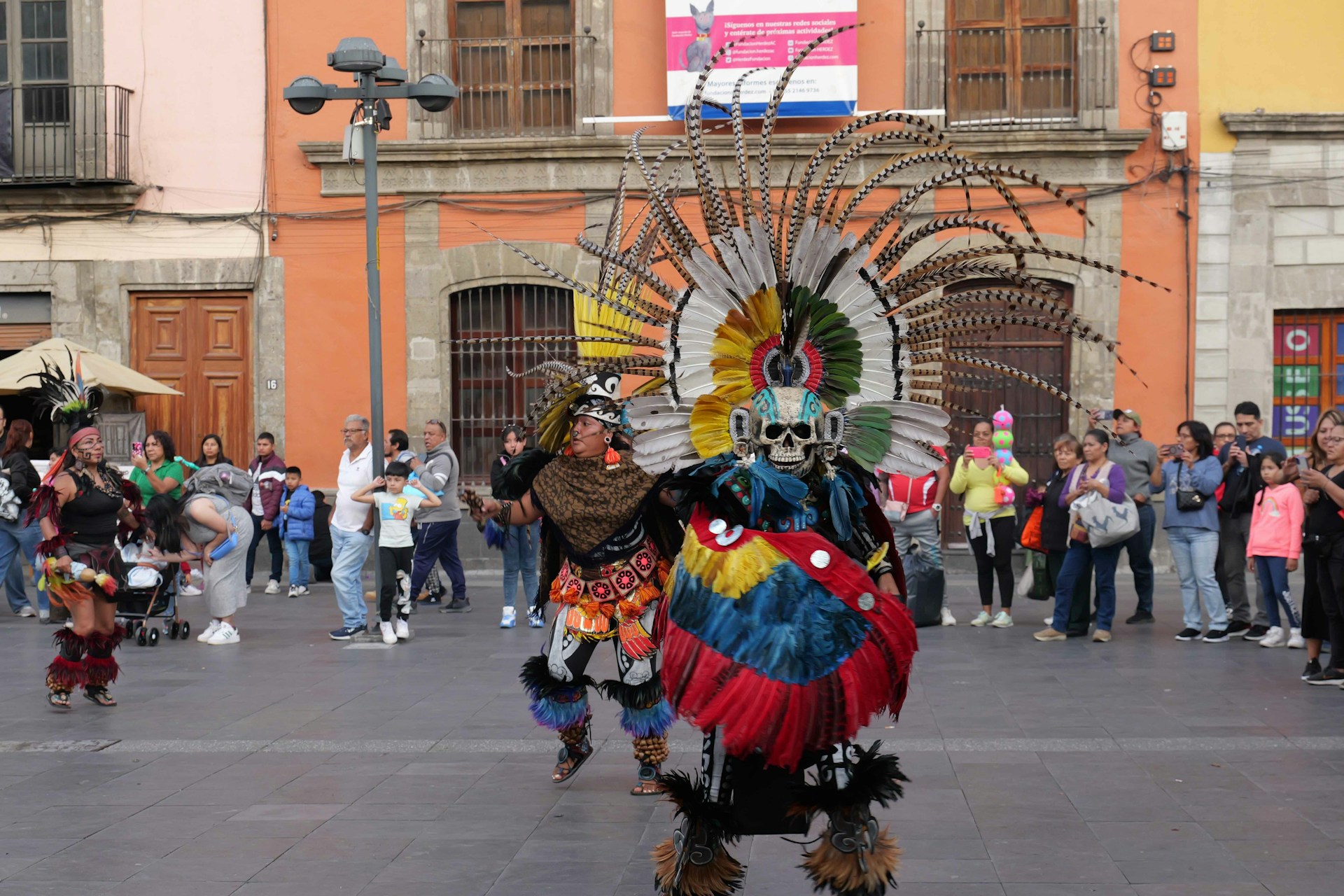
- Dual Spectrum of Celebration: Mexico City bridges monumental civic pageantry with deeply spiritual ancestral traditions, balancing massive spectacles like the Paseo de la Reforma parade and Zócalo displays with intimate neighborhood vigils.
- Distinct Neighborhood Traditions: Festivities vary widely across the capital, ranging from pre-Hispanic chinampa customs and candlelit graveyard ceremonies in San Andrés Mixquic to curated cultural ofrendas in Coyoacán and the historic center.
- Logistical and Cultural Preparation: A smooth experience requires booking accommodations several months in advance, planning around major holiday transit closures, and maintaining solemn graveyard etiquette through quiet observation and permission-based photography.
Día de los Muertos (Day of the Dead) represents one of Mexico’s most profound cultural and spiritual celebrations. Recognized by UNESCO as an Intangible Cultural Heritage of Humanity, the holiday is neither somber nor a Mexican variation of Halloween; it is an intimate, joyous reunion bridging the mortal world and the afterlife, rooted in ancient Mesoamerican traditions and syncretized with Catholic rituals.
Understanding Día de los Muertos

Día de los Muertos is not a somber day of mourning, a fearful contemplation of mortality, or a Mexican counterpart to Halloween; it is an annual family reunion that bridges the living and the dead.
For outsiders seeking to understand its true purpose, the celebration centers on several core philosophical and cultural ideas:
An Annual Homecoming
Traditional Mesoamerican beliefs hold that physical death does not sever a person’s ties to their family. For a brief window each year—spanning October 31 to November 2—the boundary between the earthly realm and the afterlife temporarily dissolves, allowing departed souls to return home as honored, beloved guests.
Preventing the "Third Death"
Mesoamerican philosophy recognizes three stages of death: the first occurs when the physical body expires; the second when the body returns to the earth; and the third—and only definitive—death occurs when there is no living soul left to remember your name or recount your stories. Día de los Muertos exists precisely to defy that third death, keeping ancestral memory alive across generations through storytelling, song, and shared ritual.
Transforming Grief into Celebration
The festival does not deny the pain of loss; rather, it transforms grief into vibrant, communal gratitude. Instead of treating death as a dark, taboo finality, the culture embraces it as a natural phase in the eternal cycle of existence.
Cemeteries become luminous social hubs filled with guitar ballads, shared bottles of mezcal, and children playing between graves, proving that love outlasts mortality.
Humor and Familiarity with Mortality
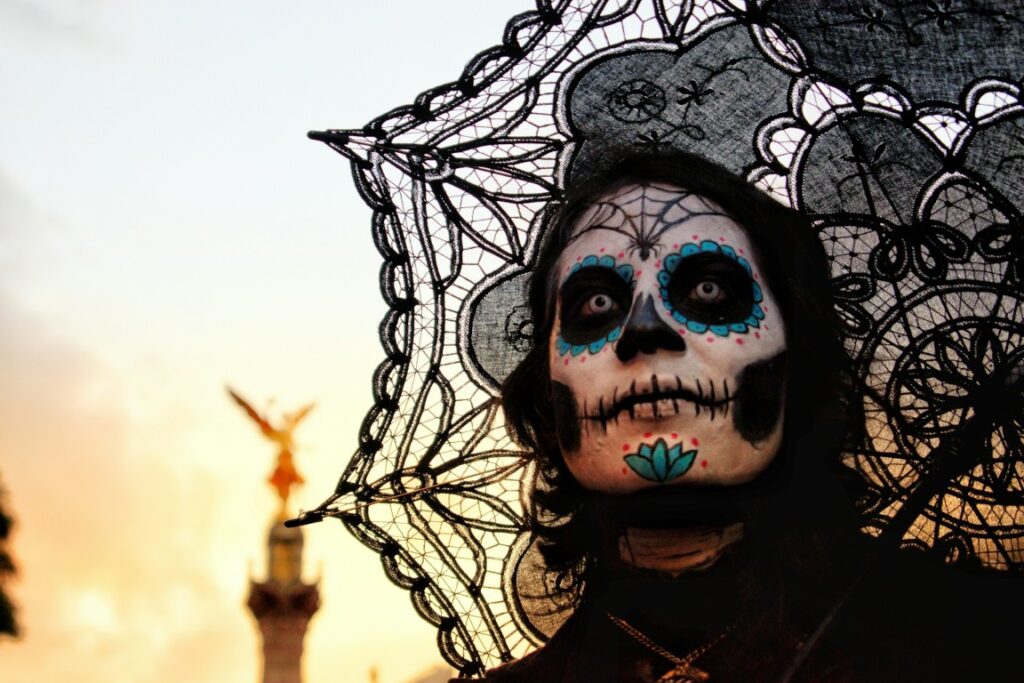
Figures like La Catrina—an elegantly dressed skeleton—and whimsical sugar skulls (calaveras) embody a distinct cultural perspective: death is the great equalizer, arriving for rich and poor alike. Laughing with death, satirizing it, and dressing it in fine clothes disarms the fear of the unknown.
A Sensory Bridge for Spirits
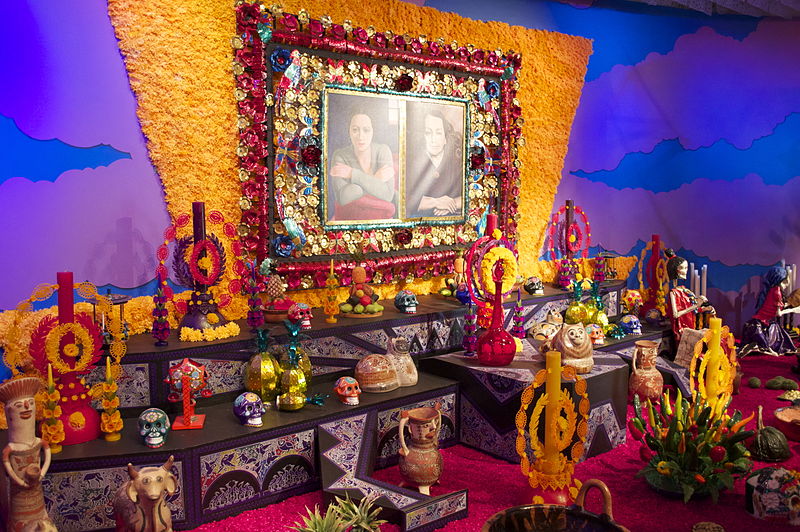
The physical elements of the festival—the pungent perfume of marigolds, the crackle of copal incense, the flicker of candlelight, and the savory aroma of traditional foods—are designed specifically for the returning spirits. Because the dead can no longer touch or taste physical matter, they nourish themselves on the scents, memories, and devotion radiating from the living world.
Dates to Remember
The celebration spans several days, each dedicated to honoring different souls:
- October 27–28: Remembrance begins for departed pets and individuals who died tragically or unexpectedly.
- October 31 (All Hallows’ Eve): Preparation of altars reaches completion. At midnight, the spirits of departed children (los angelitos) are welcomed.
- November 1 (Día de los Inocentes / All Saints’ Day): A day dedicated to remembering deceased children, marked by sweet treats, white flowers, and toys placed on altars.
- November 2 (Día de los Fieles Difuntos / All Souls’ Day): Dedicated to adult spirits. Celebrations culminate in communal cemetery vigils, feasts, and the ceremonial farewell to visiting ancestors.
Top Destinations for Experiencing Día de los Muertos
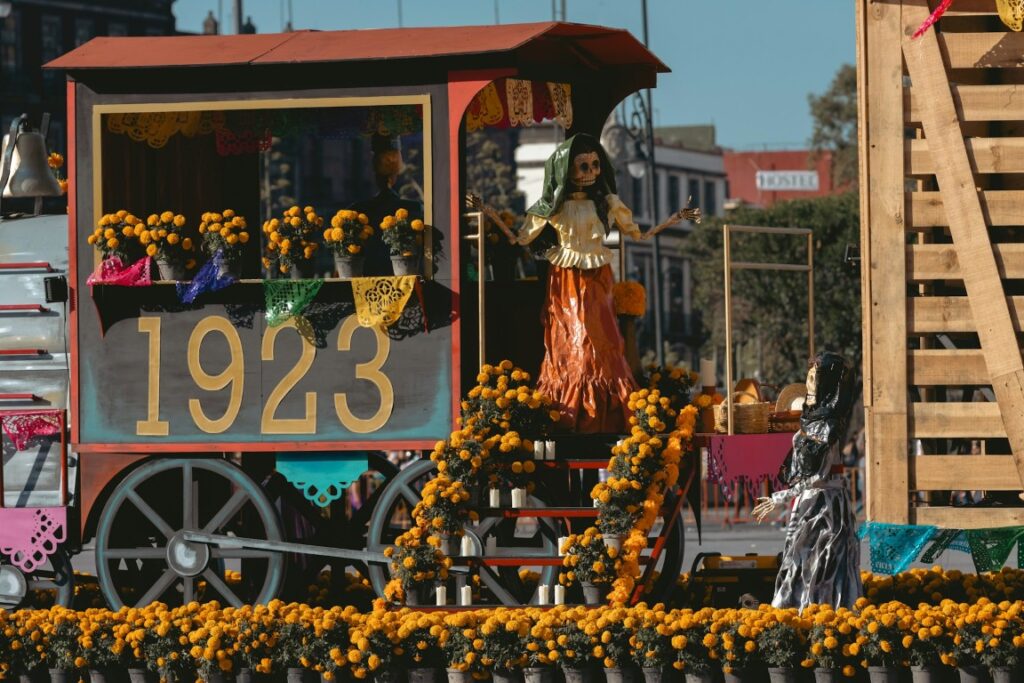
Here are some Mexican destinations to visit to celebrate Día de los Muertos.
Oaxaca
Oaxaca serves as one of Mexico’s most vibrant epicenters for Día de los Muertos, blending deep Indigenous Zapotec and Mixtec customs with public street festivities. The historic center fills with public altars, fragrant marigold arches, and spontaneous neighborhood street processions known as comparsas.
- Dynamic street processions featuring brass bands, firework towers (castillos), and costumed revellers dancing through historic stone lanes.
- Intricate tapetes de arena (sand tapestries) meticulously hand-crafted in museum courtyards and municipal walkways.
- Outstanding seasonal culinary traditions, from dark chocolate spiced with cinnamon to regional holiday moles and anise-scented bread.
Santa Cruz Xoxocotlán
Santa Cruz Xoxocotlán, situated just south of Oaxaca’s colonial core, hosts renowned overnight cemetery vigils at Panteón Nuevo and Panteón Viejo. Families gather on the evening of October 31 to clean crypts, arrange thick blankets of cempasúchil blossoms, and illuminate tombs with beeswax tapers.
- Candlelit vigils held alongside crumbling colonial church arches inside Panteón Viejo.
- Quiet family vigils accompanied by soft acoustic guitar ballads and shared seasonal foods.
- Local street stalls surrounding the cemeteries serving hot tamales oaxaqueños, atole, and artisanal mezcal.
Michoacán & Lake Pátzcuaro
Pátzcuaro stands as the spiritual core of Purépecha ceremonial traditions, centered around quiet reverence, lakeside heritage, and artisan craftsmanship. Whitewashed colonial streets with red-tiled roofs host regional open-air craft markets and solemn church courtyard gatherings.
- Grand artisan craft markets across Plaza Vasco de Quiroga featuring Purépecha wood carvings, hammered copper, and hand-embroidered textiles.
- Midnight vigils rooted in ancient ancestral chants and quiet community reflection.
- Regional specialties such as corundas (steamed triangular corn cakes wrapped in green reed leaves) and sopa tarasca.

Janitzio
Janitzio, a towering island in the center of Lake Pátzcuaro, produces some of the most celebrated imagery of Día de los Muertos. On the night of November 1, indigenous fishermen guide traditional wooden canoes across the misty waters using butterfly nets illuminated by flaming torchlight.
- Mesmerizing views of torch-lit wooden boats crossing the nocturnal lake toward the island’s steep slopes.
- Terraced hillside cemetery blanketed in towering floral arrangements, framed by glowing vigil lanterns.
- Narrow pedestrian pathways winding through artisanal stalls offering smoked lake fish and handmade folk art.
Mexico City
Mexico City offers a dramatic scale of celebration, juxtaposing historic community customs with monumental civic pageantry, urban art installations, and major cultural festivals. The capital accommodates diverse traveler interests across its historic downtown, colonial boroughs like Coyoacán, and surrounding canal towns.
- Broad variety of experiences ranging from monumental public museum ofrendas to neighborhood candle vigils.
- Exceptional transit connectivity, boutique lodging, and internationally acclaimed seasonal dining.
- Rich historical balance between pre-Hispanic Aztec archeology and dynamic modern street art.
Cultural Etiquette & Responsible Travel
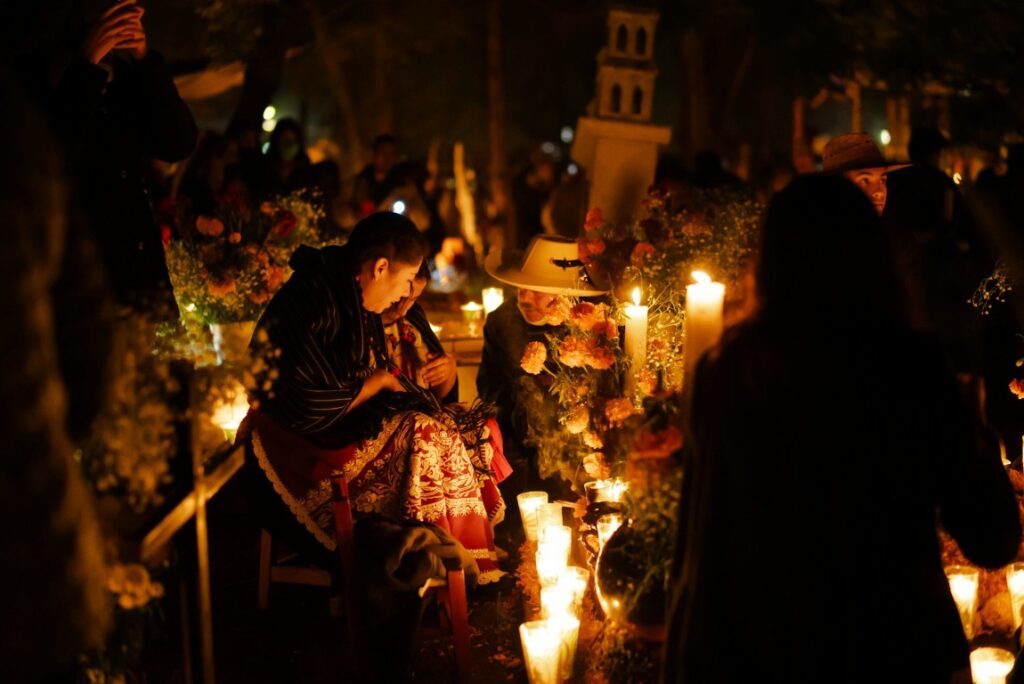
While communities across Mexico generously welcome outsiders to witness and participate in the festivities, Día de los Muertos remains a sacred ancestral observance rather than an open-air spectacle or costumed carnival. Striking the right balance between curious celebration and quiet reverence ensures that local traditions are preserved, mourning families feel respected, and visitor presence remains unobtrusive and positive.
- Graveyard Decorum: Cemeteries during Día de los Muertos are sacred spaces of family communion. Keep voices hushed, step around grave plots rather than walking over burial mounds, and avoid touching or disturbing ofrenda items.
- Photography Ethics: Always seek explicit permission before photographing grieving families or personal graves. Turn off camera flashes inside cemeteries, as bright lights disrupt the meditative candlelit ambiance.
- Catrina Face Painting: Getting painted as a Catrín or Catrina is a welcomed and celebrated practice when executed with care by local street artists. Avoid dressing in gory or scary Western Halloween costumes when entering sacred community spaces or cemeteries.
- Economic Responsibility: Support local artisans directly by purchasing handmade items, staying in independent accommodations, and leaving fair tips for local musicians and cemetery caretakers.
Planning & Logistics

Experiencing Día de los Muertos smoothly requires meticulous advance preparation. Central and southern Mexico experience peak tourist demand throughout late October and early November, stretching infrastructure, accommodation, and transportation across historic towns and rural villages to capacity.
Factoring in fluctuating high-altitude temperatures, festival street closures, and a predominantly cash-based local economy is vital for a seamless, well-paced trip.
- Booking Window: Reserve hotel accommodations, flights, and rental vehicles 6 to 9 months ahead of time, especially for Oaxaca and the Lake Pátzcuaro region, where rooms sell out rapidly.
- What to Pack: Pack lightweight layers for sunny daytime walks and warmer outerwear (jackets, scarves, or light wool sweaters) for late-night cemetery vigils. High-altitude central Mexico and Michoacán experience sharp temperature drops after sunset.
- Footwear: Sturdy, closed-toe walking shoes are essential for navigating uneven cobblestones, rural dirt roads, and crowded cemeteries safely.
- Cash Readiness: Carry adequate Mexican Pesos (MXN) in small denominations. Street food stalls, flower vendors, rural water taxis, and artisan workshops rarely accept credit cards.
Final Word
Día de los Muertos stands as a timeless testament to the enduring power of memory, family, and communal love. Beyond the radiant glow of marigolds, the sweet fragrance of copal, and the intricate beauty of candlelit ofrendas lies a profound human truth: that those who have passed are never truly gone as long as their stories continue to be spoken aloud.
Approaching this sacred season with deep cultural sensitivity, patient curiosity, and genuine respect allows travelers to witness a living tradition that transforms grief into an art form. It is an unforgettable cultural encounter that invites visitors not merely to watch, but to reflect on mortality, honor ancestry, and celebrate life with vibrant gratitude.


