

Key Takeaways
Seasonal Wildlife Spectacles: The destination offers two distinct ecological events, with peak adult green sea turtle nesting occurring in August and the emergence of tiny hatchlings rushing toward the ocean taking place from mid-September through November.
Strict Conservation Protocols: Nighttime beach access is highly regulated to protect the endangered turtles, requiring visitors to book park-certified guides for staggered evening shifts and strictly adhere to total darkness rules, including the prohibition of cameras and the mandatory use of dark clothing.
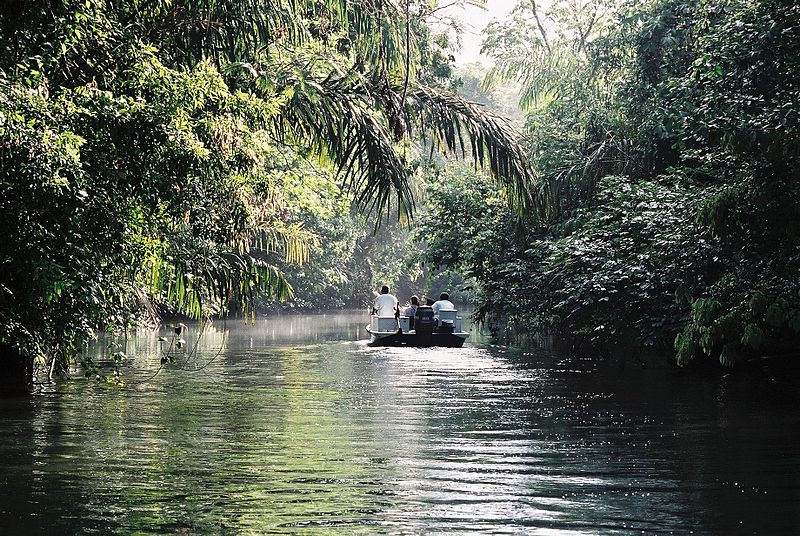
Deep on the northern Caribbean coast of Costa Rica lies a remote, roadless village accessible only by boat or small aircraft. Tortuguero—often referred to as the “Amazon of Central America”—is a labyrinth of winding freshwater canals and dense tropical rainforest. But the true magic of this destination happens on its dark, volcanic shores under the cover of night.
Every year, Tortuguero hosts one of the most spectacular wildlife events on the planet: the green sea turtle nesting season. For eco-travelers and wildlife enthusiasts, witnessing this ancient ritual is an unforgettable experience. Here is everything travelers need to know to plan a visit.
The Best Time to Visit
While the pristine canals and diverse wildlife make Tortuguero a year-round destination, turtle enthusiasts need to time visits carefully. The official green sea turtle nesting season stretches from July through October.
For the absolute highest probability of sightings, August is the undisputed peak. During this month, hundreds of massive turtles pull themselves from the surf each night.
Later in the season, from mid-September through November, a different kind of magic occurs: the hatchlings emerge. Lucky early-morning beachwalkers might catch glimpses of tiny turtles frantically making the dash toward the waves.
What to Expect on a Night Tour
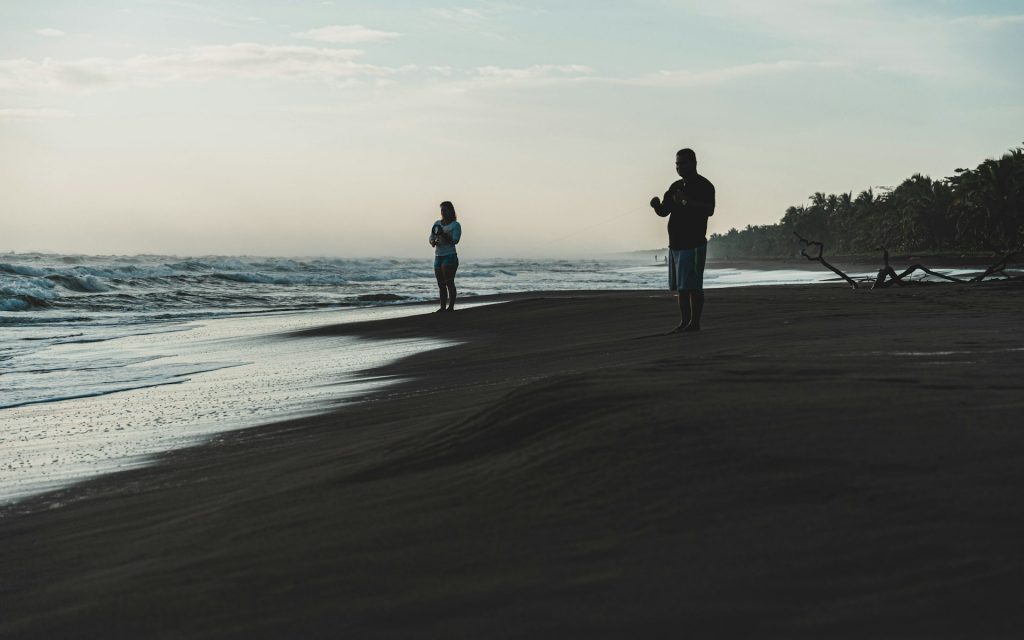
To protect this endangered species, access to Tortuguero’s beaches is strictly regulated after 6:00 PM. Venturing onto the sand requires a certified local guide, and tours operate in highly organized, staggered shifts—typically starting at 8:00 PM or 10:00 PM.
The experience requires patience. Groups wait at designated stations tucked just off the beach while expert trackers scan the shoreline. Once a turtle is spotted and has entered a deep “nesting trance,” the tracker signals the guides. Only then are visitors led out onto the sand.
Standing in the humid night air, listening to the rhythmic sound of the surf and watching a 300-pound marine reptile carefully excavate a nest in the sand, is a deeply moving experience.
Strict Conservation Rules
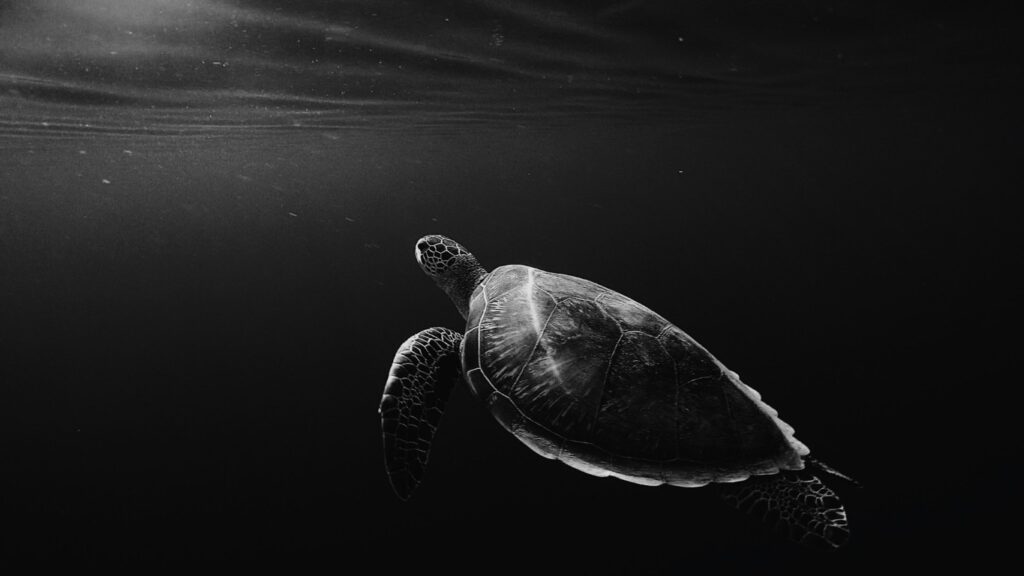
Tortuguero is a global success story in conservation, transforming from a hunting ground into a protected sanctuary. To maintain this delicate balance, visitors must adhere to strict guidelines:
- Total Darkness: No cameras, smartphones, or white flashlights are permitted on the beach. Even the glow of a smartwatch is prohibited.
- Infrared Only: Guides use specialized red-light flashlights that do not disturb the turtles’ sensitive vision.
- Dark Clothing: Visitors must wear black or very dark clothing to blend into the night and avoid startling the wildlife.
Beyond the Beaches

While the turtles are the star attraction, the surrounding Tortuguero National Park offers exceptional biodiversity. Days can be spent gliding through mirror-like canals in a silent canoe, spotting howler monkeys, three-toed sloths, caimans, and vibrantly colored toucans hidden in the dense canopy.
For those seeking an authentic, deeply immersive wildlife encounter, Tortuguero delivers an experience that resonates long after the journey ends.


